| Status: | Active, open to new members |
| Convenor: | |
| When: | 9:00 am Various days as arranged |
| Venue: | As arranged/no fixed venue |
Lucy, our convenor, writes:
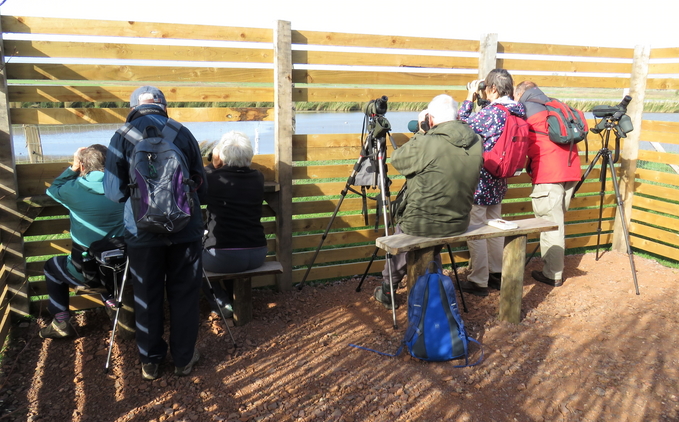
“My group, previously entitled “Birdwatching Group 2”, studies all aspects of wildlife, including insects and flowering plants, and a change in our title better reflects what we study on our days out.
Our monthly meetings now vary: Mondays mainly, not always on the 3rd Monday of the month, or possibly a Tuesday or Wednesday, to take account of Bank Holidays etc.
The start time of 09.00 may also vary.
We generally meet once a month throughout the year, some trips will be to local venues around the Bath area, mornings only, and others to more distant venues will be a full day. One of my favourite locations is the Somerset Levels, in particular Ham Wall RSPB reserve where, in Spring and Summer, we look at all aspects of wildlife.
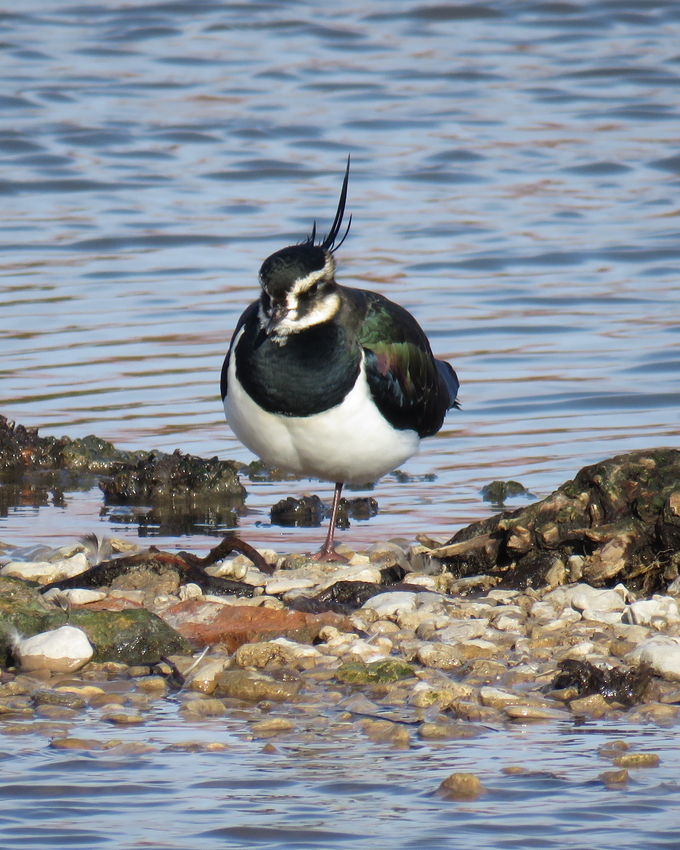
My over−riding objective as group convenor is to help members improve their bird identification skills and encourage a wider interest in all natural history, including butterflies, moths, dragonflies and flowering plants.”
AIMS
● To learn to identify birds visually and by calls and songs
● To learn about bird behaviour including migration
● To look at other wildlife, including dragonflies and butterflies
● To visit a bird observatory to see how birds are monitored
METHOD
As a group, we will visit nature reserves, different habitats, perhaps including urban and suburban, to watch birds, listen to their calls and songs, whilst not ignoring other wildlife such as butterflies and dragonflies in the Spring and Summer months. If weather is particularly unfavourable, the scheduled meeting may be cancelled. Lunch will be either packed food and drink or a pub/cafe lunch. Some meetings will only be half−day morning. Meetings may require walking of 1 to 5 miles, depending on location.
INITIAL SKILL LEVELS AND EQUIPMENT REQUIRED
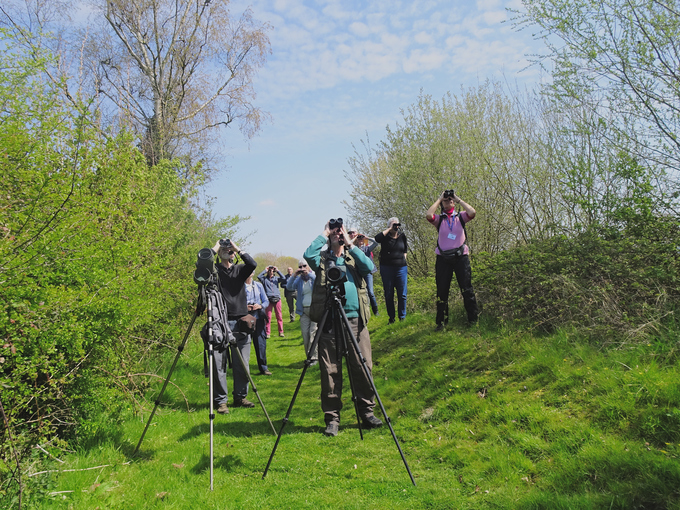
None. If you do not have a pair of binoculars, the Group Convenor would be willing to lend a pair on the day. The Group Convenor has a telescope and tripod, and others in the group may also have this optical equipment which everyone can use during the meeting. The Group Convenor will have a range of field guides.
CLOTHING
Always dress for the weather conditions and take plenty of warm layers for winter months. Meetings will generally require walking shoes or boots, sometimes wellingtons. Members should be aware of ticks during the summer and wear light coloured long trousers.
TRANSPORT
Transport will be by members’ own cars, with car−share encouraged including sharing petrol costs, 20p per mile.
HEALTH AND SAFETY
● All members should be responsible for their own safety and note any hazards on the day, depending on the terrain.
● Members with any medical condition should ensure they have all medication with them, as needed.
● Anyone with any particular disability should inform the Group Convenor in advance.
● It is advisable to carry a mobile phone in case of an emergency.
● Nobody should leave the meeting without first telling the Group Convenor.
A detailed programme with all the necessary information is only issued to group members.
Meetings are by car share and sharing fuel costs.
WAITING LIST
Our maximum group size is 22 at present. New members can be added to a waiting list and contacting when a place becomes available.
THE FUTURE
In December 2026, Lucy Starling will be retiring as the Group Convenor/Natural History Leader. It is hoped that there will continue to be a u3a group of keen naturalists venturing out around Bath and beyond to enjoy a wide variety of flora and fauna. Lucy will be discussing this with group members at the end of 2025.
If you would like more information, Bath u3a members can contact the Group Convenor via the Enquiry link at the top of this page. Non-members should contact the Groups Advisers for more information.
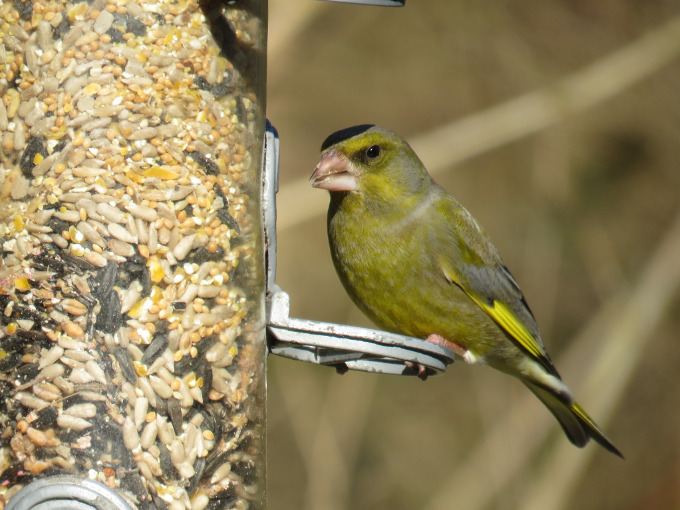
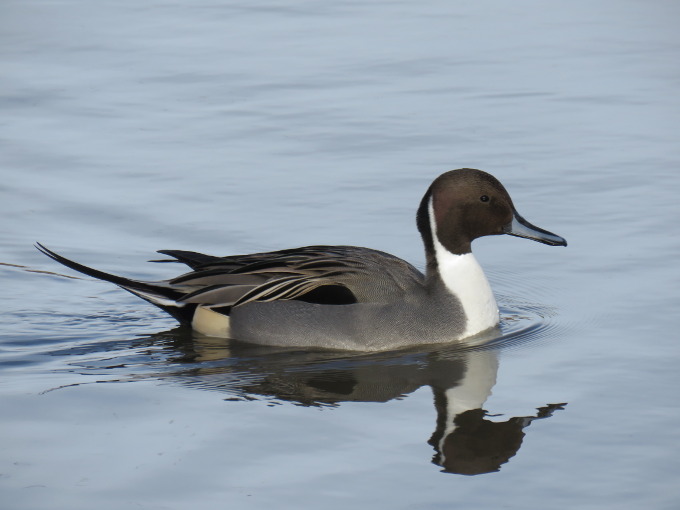
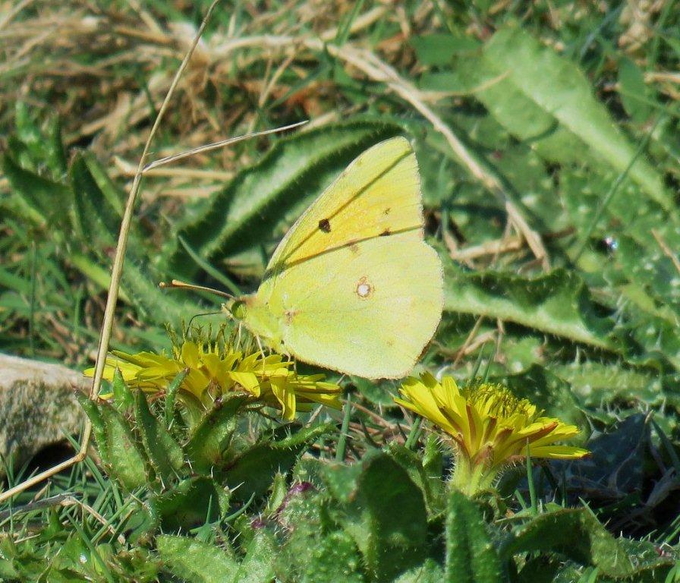
Some of our photos
All photographs courtesy of, and ©, group members: